


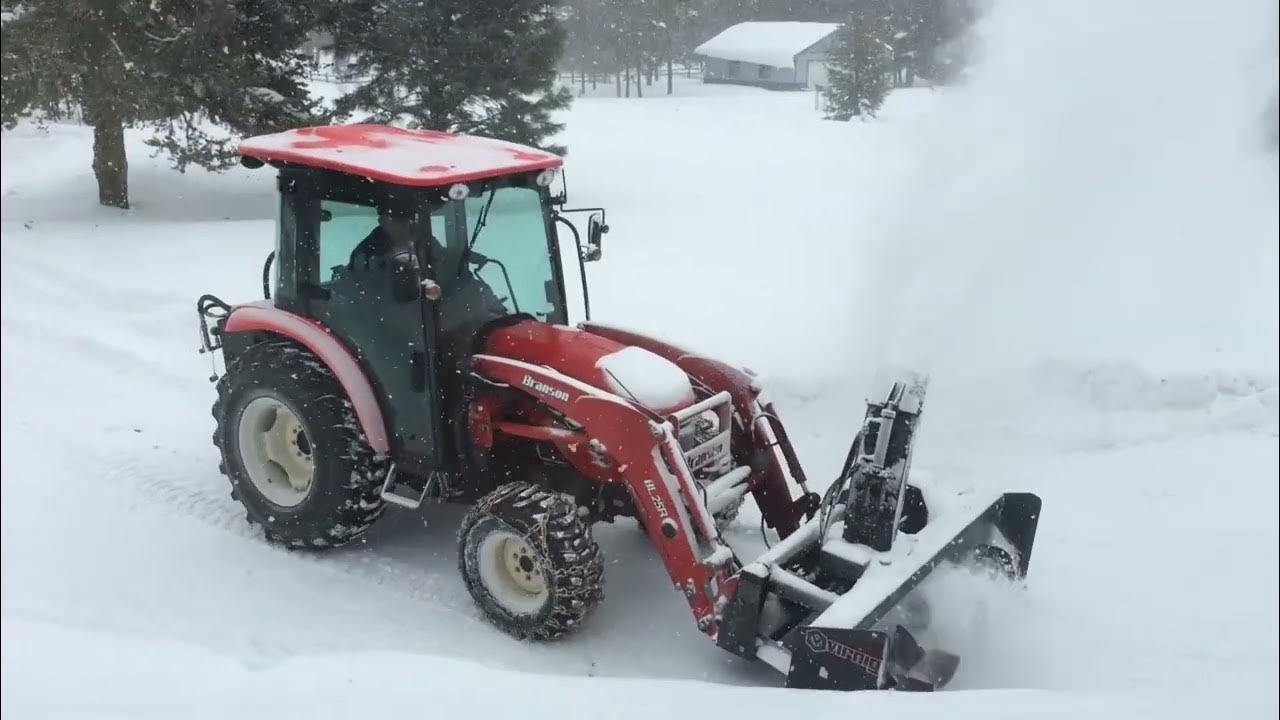
As winter storms roll in, a dependable snow blower becomes essential for keeping driveways and sidewalks clear. But like any machine, snow blowers can run into problems—especially after months of storage. The good news is that many troubles can be resolved without professional help. This guide on DIY Snow Blower Repairs: Fix Common Issues at Home will walk you through simple ways to troubleshoot and repair your machine safely and effectively.
Understanding Common Snow Blower Problems
Snow blowers often show signs of wear after heavy use. Learning to recognize these symptoms helps you address issues before they worsen. With a little knowledge and the right tools, most homeowners can tackle basic repairs themselves.
1. Engine Won’t Start
One of the most frequent complaints is a snow blower that refuses to start. Causes may include:
- Stale fuel
- A clogged carburetor
- Faulty spark plug
- Blocked fuel lines
A fresh tank of gas, carburetor cleaner, and a quick spark plug inspection often bring the engine back to life.
2. Snow Blower Isn’t Throwing Snow Far Enough
If your machine shoots snow only a few feet—or not at all—it may be due to:
- A worn auger belt
- Ice buildup
- A clogged chute
Check the belt for slack or cracks and clear any obstructions to restore performance.
DIY Repair Tips You Can Try Today
Tackling DIY Snow Blower Repairs: Fix Common Issues at Home is often easier than you think. Many repairs require only basic tools and a bit of patience.
Inspect and Replace Belts
Belts wear down over time, especially during heavy snowfall seasons. If your blower struggles to move or throw snow, inspect the belts for damage. Replace them if they appear frayed or loose.
Clean the Carburetor
A dirty carburetor prevents proper fuel flow, causing starting issues or rough idling. Remove the carburetor, spray it with cleaner, and reassemble it carefully.
Check the Spark Plug
A faulty spark plug is a common culprit behind performance issues. Remove the plug, check for carbon buildup, and replace it if necessary.
Preventive Maintenance for Long-Lasting Performance
Regular maintenance keeps your snow blower working smoothly throughout the winter season. Incorporate these simple habits into your routine:
- Change the oil at least once per season
- Use fuel stabilizer during storage
- Inspect tires for proper pressure
- Lubricate moving parts to prevent rust and friction
By following these steps, you can reduce the need for major repairs and extend the life of your machine.
Conclusion
Learning DIY Snow Blower Repairs: Fix Common Issues at Home empowers you to save money, avoid downtime, and stay prepared for winter weather. With a mix of preventive maintenance and simple troubleshooting, most problems can be fixed quickly and safely. Whether you’re dealing with a stubborn engine, worn belts, or poor snow-throwing performance, a little DIY effort can go a long way.
