


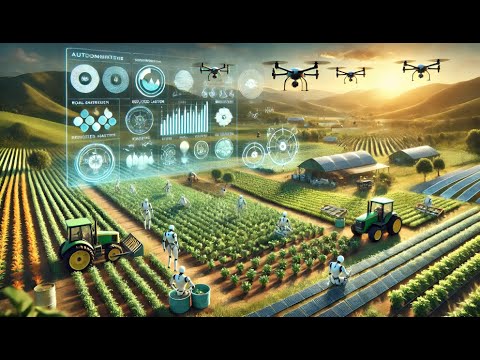
Farming has always been the backbone of human civilization, but traditional practices are increasingly being challenged by climate change, population growth, and resource scarcity. Exploring the Future of Farming Through smart agriculture offers innovative solutions that promise increased efficiency, sustainability, and profitability for farmers worldwide.
What is Smart Agriculture?
Smart agriculture, also known as precision farming, uses advanced technologies such as IoT devices, drones, sensors, and data analytics to monitor and optimize every aspect of farming. By leveraging these tools, farmers can make data-driven decisions that improve crop yields, reduce waste, and minimize environmental impact.
Benefits of Smart Agriculture
1. Increased Efficiency
Smart farming technologies allow farmers to monitor soil conditions, water levels, and crop health in real time. Automated irrigation systems and precision planting ensure that resources are used effectively, reducing costs and maximizing output.
2. Sustainable Farming Practices
Environmental sustainability is at the core of modern agriculture. Smart technologies enable precise use of fertilizers and pesticides, reducing chemical runoff and conserving natural resources. This approach aligns with global efforts to mitigate climate change.
3. Improved Decision-Making
Data collected from sensors, drones, and satellite imagery can be analyzed to predict crop performance and detect diseases early. This proactive approach ensures better yields and reduces losses caused by unforeseen factors.
Challenges in Implementing Smart Agriculture
Despite its benefits, integrating smart agriculture can be challenging. High initial investment costs, lack of technical expertise, and limited internet connectivity in rural areas can hinder adoption. Governments and private organizations are increasingly offering support through training programs and financial incentives to overcome these barriers.
The Future Outlook
Exploring the Future of Farming Through Smart Agriculture shows that technology will continue to redefine the agricultural landscape. With AI-driven tools, autonomous machinery, and blockchain-based supply chains, farming is moving towards a future where productivity and sustainability go hand in hand. Farmers who embrace these innovations will be better equipped to meet the growing demands of a rapidly expanding global population.
Conclusion
The potential of smart agriculture to revolutionize farming is immense. By combining traditional knowledge with modern technology, we are exploring the future of farming through smart agriculture in ways that were unimaginable just a few decades ago. For farmers, policymakers, and consumers alike, this transition promises a more efficient, sustainable, and secure food system.
