


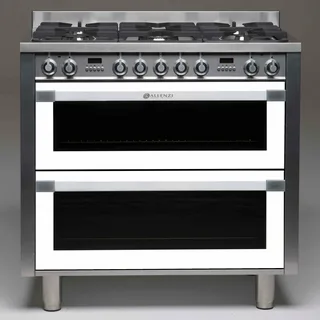
When it comes to choosing a new freestanding oven for your kitchen, the decision often boils down to two main options: gas or electric. Each type has its own set of advantages and disadvantages, and the choice can impact everything from cooking performance to energy bills. In this article, we’ll break down the key differences to help you decide: Gas vs Electric Freestanding Oven: Which One Should You Pick?
Understanding Gas Freestanding Ovens
Gas freestanding ovens are powered by natural gas or LPG, and they are known for their instant heat and precise temperature control.
Advantages of Gas Ovens
- Quick Heating: Gas ovens reach the desired temperature faster than many electric ovens.
- Even Cooking: The open flame provides a natural heat distribution, ideal for roasting and baking.
- Lower Operating Costs: In areas where gas is cheaper than electricity, these ovens can save you money over time.
Disadvantages of Gas Ovens
- Installation Requirements: You need a gas line, which can make installation more complicated.
- Cleaning Challenges: Gas burners and grates can be harder to clean compared to smooth electric surfaces.
Understanding Electric Freestanding Ovens
Electric freestanding ovens run on electricity and use heating elements to cook food. They are often praised for their modern features and consistent heat.
Advantages of Electric Ovens
- Precise Temperature Control: Electric ovens maintain a consistent temperature, which is great for baking delicate dishes.
- Ease of Installation: Unlike gas ovens, they only require a standard electrical outlet.
- Advanced Features: Many electric ovens come with convection cooking, self-cleaning modes, and digital controls.
Disadvantages of Electric Ovens
- Slower Heating: Electric ovens may take longer to reach the desired temperature.
- Higher Operating Costs: Depending on electricity rates, they might cost more to run than gas ovens.
Factors to Consider Before Choosing
When deciding between a gas vs electric freestanding oven, consider the following:
- Cooking Style: If you love baking, an electric oven might be better for precise temperature control. If you cook meals that require high heat and quick adjustments, gas is ideal.
- Kitchen Setup: Check if your kitchen already has a gas line or if installing one is feasible.
- Energy Costs: Compare local gas and electricity prices to determine long-term costs.
- Maintenance: Consider how much effort you’re willing to spend on cleaning and upkeep.
Conclusion: Gas vs Electric Freestanding Oven
Ultimately, the choice between a gas vs electric freestanding oven comes down to your cooking habits, kitchen setup, and budget. Gas ovens offer quick heating and energy savings, while electric ovens provide precision and modern conveniences. By weighing the pros and cons, you can pick the oven that best fits your lifestyle and culinary needs.
