


Introduction
Modern agriculture is rapidly evolving with the help of advanced technology, and one of the most impactful innovations is precision farming. Farmers today rely on accurate positioning systems to improve efficiency, reduce waste, and maximize crop yields. Among these technologies, How precision farming gnss Improves Crop Productivity has become an important topic in the agricultural sector because GNSS-based systems provide accurate field data and better operational control.
Global Navigation Satellite System (GNSS) technology allows farmers to perform farming activities with high precision. From planting and fertilizing to harvesting, GNSS helps optimize every stage of crop production.
Understanding Precision Farming GNSS
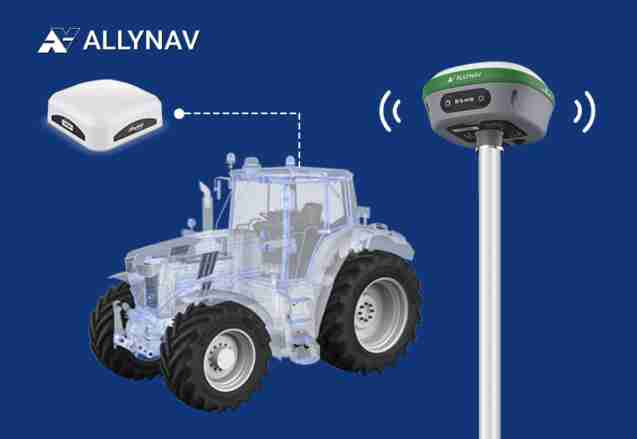
Precision farming GNSS uses satellite-based navigation systems to guide agricultural machinery and monitor field operations. These systems collect real-time location data, helping farmers make accurate decisions regarding crop management.
GNSS technology supports:
- Auto-steering tractors
- Precision planting
- Variable rate fertilization
- Field mapping
- Soil analysis
- Crop monitoring
By reducing overlaps and missed areas, farmers can improve field accuracy and minimize unnecessary input costs.
Improved Accuracy in Field Operations
One major advantage of GNSS technology is improved operational precision. Traditional farming methods often result in overlaps during planting, spraying, and harvesting. These overlaps increase fuel consumption and waste seeds, fertilizers, and pesticides.
With GNSS-guided machinery, farmers can maintain straight and accurate rows across the field. This precision ensures better seed spacing and proper crop distribution, directly contributing to healthier crop growth and higher yields.
This is one of the key reasons How Precision Farming GNSS Improves Crop Productivity is gaining attention worldwide.
Better Resource Management
Efficient use of agricultural resources is critical for profitable farming. Precision farming GNSS helps farmers apply fertilizers, pesticides, and water only where needed.
Benefits include:
Reduced Fertilizer Waste
GNSS systems identify areas that require specific nutrient levels, preventing over-application.
Efficient Water Usage
Farmers can monitor irrigation zones more accurately and reduce water wastage.
Lower Fuel Consumption
Automated guidance systems reduce unnecessary machine movement across fields.
As a result, farmers lower operational costs while improving environmental sustainability.
Enhanced Crop Monitoring
Precision farming GNSS works alongside sensors, drones, and mapping software to monitor crop health. Farmers can identify weak growth areas, pest infestations, and soil variations early.
This data-driven approach allows timely interventions, helping farmers protect crops before problems spread. Accurate monitoring improves overall field management and supports stronger crop performance throughout the season.
The growing adoption of these technologies further demonstrates How Precision Farming GNSS Improves Crop Productivity in both small and large-scale farming operations.
Increased Yield and Profitability
Higher productivity is the ultimate goal of precision agriculture. GNSS technology enables better planting accuracy, improved soil management, and efficient harvesting practices.
Farmers experience:
- Higher crop yields
- Reduced production costs
- Better crop quality
- Increased profitability
Because every farming activity is optimized, crops receive the right treatment at the right time, leading to healthier growth and improved harvest results.
Environmental Benefits
Precision farming GNSS not only improves productivity but also supports environmentally responsible farming practices.
Key environmental advantages include:
- Reduced chemical runoff
- Lower soil compaction
- Decreased fuel emissions
- Optimized land usage
These benefits help farmers maintain long-term soil health while meeting sustainability goals.
Future of Precision Farming GNSS
The future of agriculture is closely tied to automation and smart farming technologies. GNSS systems are becoming more advanced with improved satellite accuracy, AI integration, and real-time analytics.
As technology continues to evolve, farmers will gain even greater control over crop production processes. This advancement further highlights How Precision Farming GNSS Improves Crop Productivity and why it is becoming essential for modern agriculture.
Conclusion
Precision farming GNSS is transforming agriculture by improving efficiency, accuracy, and crop management. From reducing resource waste to increasing yields, GNSS technology helps farmers make smarter decisions and achieve better farming outcomes.
