


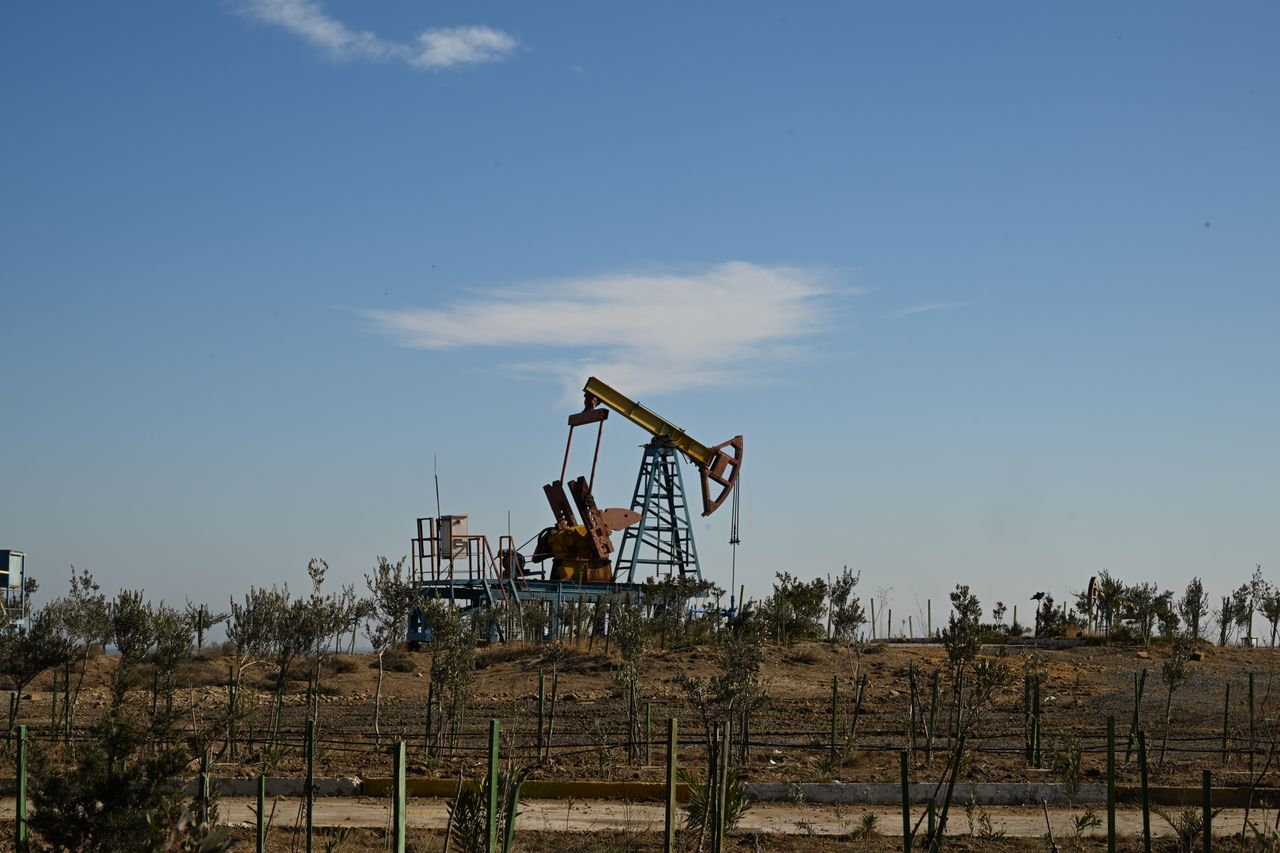
Oilfield equipment operates in some of the most demanding conditions found in any industry. Components face constant friction, high pressure, and exposure to corrosive fluids, often for extended periods without a chance for inspection. Manufacturers responsible for producing this equipment cannot treat material selection as an afterthought, since the wrong choice can lead to costly downtime and safety risks.
This article looks at how manufacturers weigh their options when choosing wear-resistant materials, the qualities they prioritize, and where these specialized materials typically come from.
The Environment Components Must Withstand
Downhole and surface equipment in oil and gas operations encounter conditions that few other industries match.
Extreme pressure and abrasive particles combine to wear down parts faster than standard industrial use would suggest. Sand and mineral deposits carried in drilling fluids act as constant abrasives against moving surfaces. Because of this, manufacturers start their material decisions by mapping out exactly what a component will face before it ever reaches a rig.
Friction and Mechanical Wear
Repeated motion between parts generates friction, and friction gradually erodes even well-made components. Rotating equipment, such as pumps and drill assemblies, experiences this wear constantly during operation. Engineers look closely at how a material resists abrasion under sustained mechanical stress.
A material that holds its surface finish over time reduces the frequency of part replacement and unplanned equipment stoppage.
Corrosion Exposure in Oilfield Settings
Many components sit in direct contact with saltwater, acids, hydrogen sulfide, or other aggressive fluids pulled from the ground.
Corrosion weakens metal structures gradually, sometimes without visible warning signs until failure occurs. Manufacturers factor in the chemical makeup of the fluids a part will encounter, since some environments are far harsher than others. Selecting a material with strong corrosion resistance helps equipment maintain structural integrity throughout its service life.
Material Options for Seals and Valves
Seals and valves are common failure points in fluid handling systems because they experience both mechanical wear and chemical exposure at the same time. Manufacturers typically choose among a handful of proven material families for these components, including hardened steel, ceramic composites, cemented carbide alloys, and specialty coatings. Each option carries a distinct balance of hardness, toughness, and resistance to the fluids involved.
Choosing between them often depends on the pressure levels and chemical conditions a given valve or seal must handle.
Tungsten Carbide as a Wear-Resistant Option
Among the materials manufacturers consider, tungsten carbide is frequently selected for parts that face intense abrasion and mechanical stress. This material is produced through a powder metallurgy process, where fine tungsten carbide particles are bonded together with metals like cobalt or nickel to form a dense, wear-resistant composite.
Its hardness makes it well-suited for components that must maintain tight tolerances even after prolonged exposure to gritty fluids or repeated friction. Many oilfield seal rings, wear sleeves, and valve components rely on this material because it retains its surface integrity longer than many conventional metals. These components are typically sourced through industrial manufacturers or specialized suppliers of wear-resistant parts.
Drill Component Considerations
Drill bits, stabilizers, and related downhole tools undergo some of the most severe wear cycles in the entire oilfield equipment category. These components rotate continuously against rock formations, generating heat and mechanical stress at the same time.
Manufacturers evaluate toughness alongside hardness for drill parts, since a material that is hard but brittle can crack under repeated impact. Balancing these two properties is central to producing drill components that hold up through extended runs without needing early replacement.
Hardened Steel in Oilfield Applications
Hardened steel remains a widely used material across many types of oilfield equipment, particularly where impact resistance matters as much as wear resistance.
Heat treatment processes increase the surface hardness of steel components while preserving enough toughness to absorb sudden shocks. This combination makes hardened steel a practical choice for structural parts and components that experience intermittent rather than constant wear. Its familiarity and long manufacturing history also make it easier for equipment designers to predict how it will perform over time.
Ceramic and Composite Alternatives
Ceramic materials offer another path for manufacturers seeking extreme hardness and resistance to abrasive wear. These materials perform well in applications with high wear rates and minimal impact loading, since ceramics can be brittle under sudden mechanical shock. Composite materials that combine ceramic elements with metal matrices attempt to balance hardness with added toughness.
Manufacturers weigh these tradeoffs carefully, matching material brittleness against the mechanical demands of the specific part.
Where Wear-Resistant Components Are Sourced
Manufacturers rarely produce every wear-resistant material in-house, since specialized alloys and composites require dedicated equipment and process knowledge. Many source finished or semi-finished components from suppliers who focus specifically on materials like cemented carbides, engineered ceramics, tungsten heavy alloys, or hardened steel assemblies.
These suppliers often work directly with equipment manufacturers to match material grades to application requirements. Sourcing from established suppliers gives manufacturers access to consistent material quality without maintaining specialized production capabilities themselves.
Testing and Verifying Material Performance
Before a wear-resistant material makes it into finished equipment, manufacturers typically subject samples to testing that simulates field conditions.
This testing might include exposure to abrasive slurries, corrosive fluids, or repeated mechanical loading. Verification helps confirm that a material performs as expected before it becomes part of a larger, more expensive assembly. Skipping this step increases the risk of premature failures that are far more difficult to address once equipment is already deployed.
Long-Term Reliability and Equipment Lifespan
The material choices made early in equipment design have lasting effects on how long that equipment remains in service. Components built from well-matched wear-resistant materials require less frequent replacement and inspection.
This reliability translates into fewer interruptions for operators working in remote or difficult-to-access locations. Thoughtful material selection supports the broader goal of keeping oilfield operations running smoothly over time.
Choosing wear-resistant materials for oilfield equipment involves balancing many factors at once, from mechanical stress and corrosion exposure to the specific demands of individual components.
Options like tungsten carbide, hardened steel, ceramic composites, and specialty coatings each bring distinct strengths, and manufacturers make these decisions based on how a part will actually be used in the field. Working with experienced material suppliers helps manufacturers access consistent quality and specialized knowledge that would be difficult to replicate internally.
As oilfield environments continue to present new challenges, careful material selection remains one of the most important decisions manufacturers make in producing dependable equipment.
