


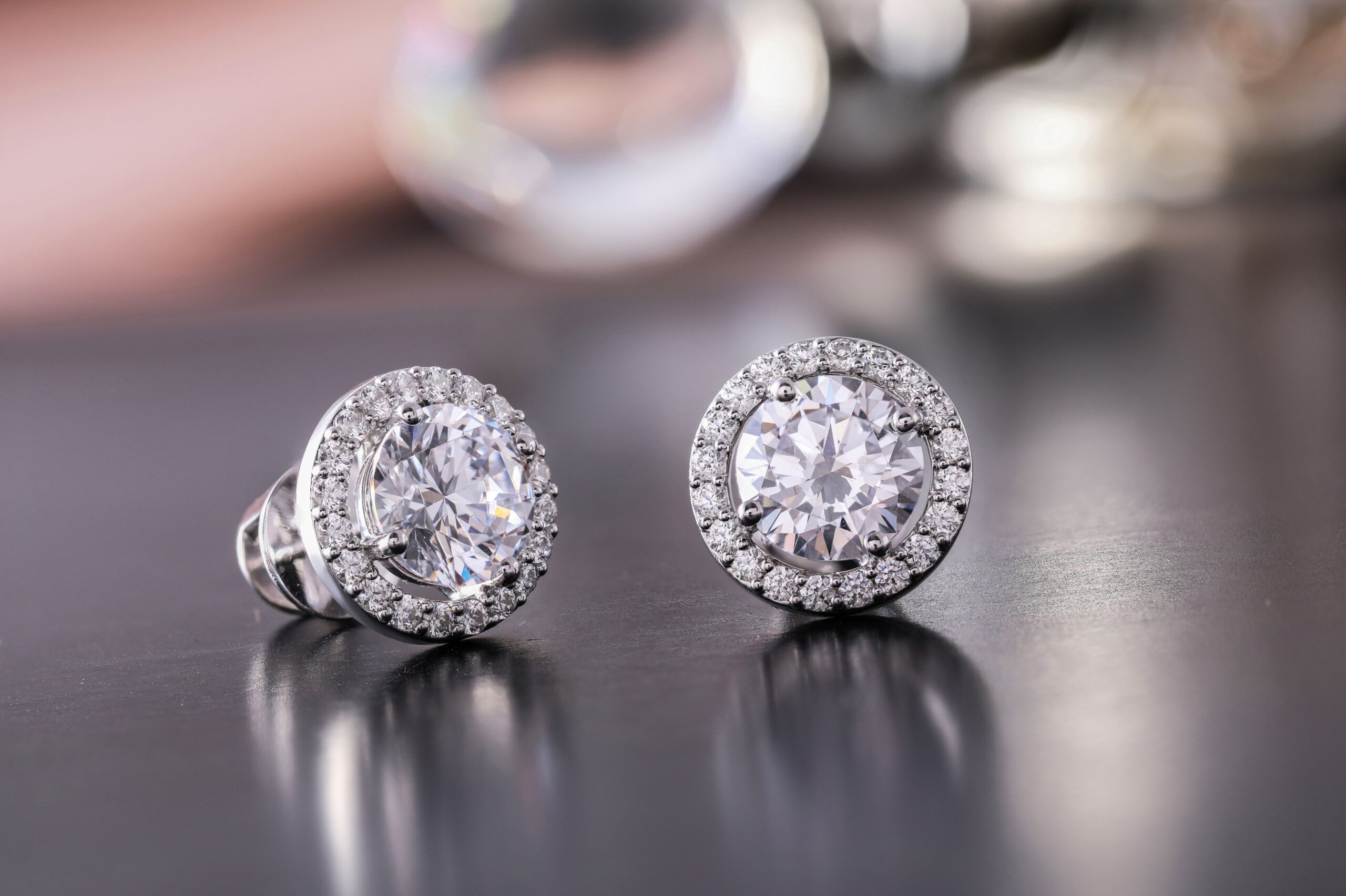
Building a diamond jewelry collection is different from buying a single piece for a special occasion. A collection often develops over time, with each addition reflecting a personal preference, meaningful milestone, or change in style. Whether you are drawn to classic diamond jewelry or more distinctive designs, thoughtful purchasing helps create a collection that feels cohesive and remains enjoyable to wear.
Before buying your next piece, consider how it fits with what you already own, how often you expect to wear it, and what qualities matter most to you. A few practical considerations can help you make more confident choices.
Start With Your Personal Style
A diamond collection should reflect the person wearing it. Before looking at individual pieces, think about the styles you naturally reach for. Some people prefer understated designs with clean lines, while others enjoy bold settings and eye-catching details.
Look at your existing jewelry to identify patterns. You may notice that you frequently choose yellow gold, white metals, vintage-inspired settings, or contemporary designs. Recognizing these preferences makes it easier to choose new pieces that complement your collection.
At the same time, avoid making every purchase look identical. A collection becomes more versatile when it includes different silhouettes, proportions, and design details. A classic pair of diamond earrings may sit comfortably alongside a statement ring or an unusual pendant.
Understand the Four Cs
When buying diamonds, familiarize yourself with the Four Cs: cut, color, clarity, and carat weight. These characteristics help describe a diamond’s appearance and contribute to its value.
Cut refers to how well a diamond’s proportions and facets interact with light. A well-cut diamond often has noticeable brightness and sparkle. Color describes how much color is present in a diamond, with grading systems generally placing more colorless diamonds higher on the scale.
Clarity considers internal and external characteristics, while carat refers to the diamond’s weight. These factors should not be viewed separately. Two diamonds with the same carat weight may look very different depending on their cut, color, and clarity.
Understanding these basics allows you to compare pieces more thoughtfully rather than choosing based only on size.
Think About How Each Piece Fits Your Collection
Before purchasing a new item, consider what role it will play in your collection. Do you need an everyday piece, something for formal occasions, or a design that adds variety to your current jewelry?
Think about how the new piece works with what you already own. A necklace might pair well with your existing earrings, while a ring could provide a different shape or setting that adds interest to your collection.
You should also consider whether the piece works on its own. Versatile jewelry gives you more opportunities to wear it, especially when you are building a collection gradually.
Choose Quality Settings and Materials
The diamond itself is only part of a jewelry piece. The metal and setting influence its appearance, durability, and overall character.
Common choices include yellow gold, white gold, rose gold, and platinum. Each material creates a different look around the diamond. Consider which metals complement your wardrobe and existing jewelry.
Pay attention to the setting as well. Prong settings, bezel settings, halo designs, and other styles affect how prominently the diamond is displayed and how well it is protected. If you plan to wear a piece frequently, durability should be an important part of your decision.
Consider Lab-Grown and Natural Diamonds
Today’s buyers have more diamond options than previous generations. Alongside natural diamonds, lab-grown diamonds are available in a wide range of jewelry designs.
Lab-grown diamonds have essentially the same chemical composition and crystal structure as natural diamonds, while their origins differ. Natural diamonds form through geological processes, whereas lab-grown diamonds are produced in controlled laboratory environments.
Your choice may depend on factors such as budget, personal preferences, sourcing considerations, and the type of collection you want to build. Understanding the distinction helps you make a decision based on what matters most to you.
Pay Attention to Certification
For significant diamond purchases, documentation is worth considering. A grading report from a respected independent gemological laboratory provides information about the diamond’s characteristics and grading.
Review the report carefully and make sure the details correspond with the diamond or jewelry you are purchasing. Certification is particularly useful when comparing stones because it gives you documented information rather than relying solely on visual impressions or sales descriptions.
For higher-value pieces, keep purchase records, grading reports, appraisals, and other relevant documentation in a secure location.
Set a Budget for Your Collection
A collection does not need to be built all at once. Establishing a budget for each purchase helps you avoid choosing pieces simply because they appear attractive in the moment.
Consider whether you would rather purchase several smaller pieces over time or save for a particular diamond that serves as a centerpiece. Both approaches can work, depending on your priorities.
It is also worth accounting for costs beyond the initial purchase. Jewelry may require cleaning, inspection, repairs, resizing, or other maintenance over time.
Consider Wearability and Care
A beautiful piece should also fit your lifestyle. If you want jewelry for everyday wear, consider whether the design is comfortable and practical for your routine.
Delicate pieces may require more careful handling, while certain settings may need regular inspection to ensure the stones remain secure. Ask the jeweler about recommended cleaning methods and maintenance requirements before purchasing.
Proper storage matters, too. Keeping pieces separated in a jewelry box or individual pouches helps reduce scratches and prevents chains from becoming tangled.
Buy With the Long Term in Mind
A diamond jewelry collection becomes more meaningful when each piece has a reason for being there. Instead of buying whatever catches your attention first, consider how a piece fits your personal style, existing jewelry, lifestyle, and future plans.
Take time to compare diamonds, understand their characteristics, examine craftsmanship, and ask questions before making a purchase. With careful choices, your collection can develop into a selection of jewelry that feels personal, versatile, and rewarding to wear for years to come.
