


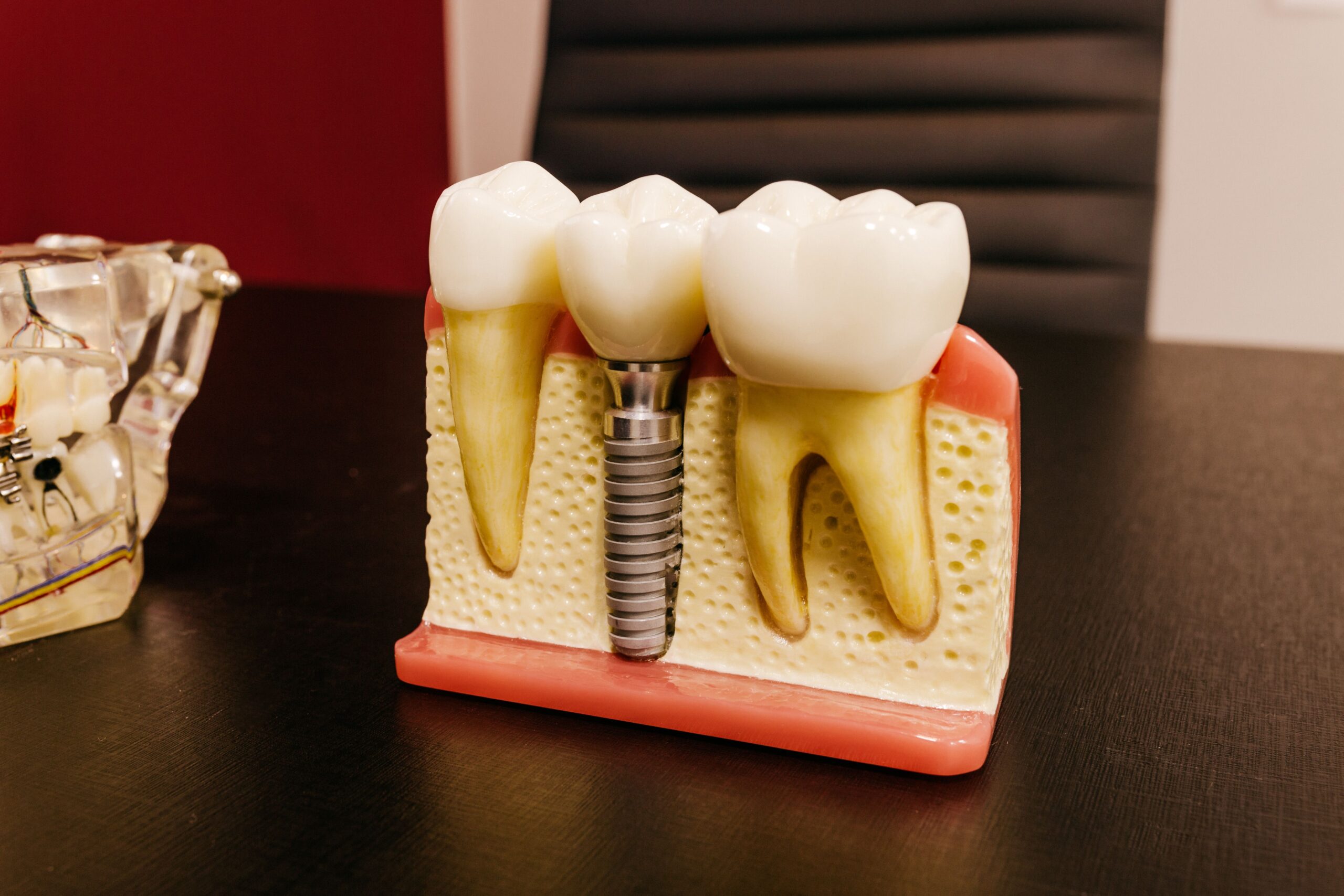
Choosing dental implants is a significant decision that involves more than determining whether you are a suitable candidate for the procedure. Understanding the financial side of treatment is also an important part of preparing for the process. Knowing the dental implant cost before moving forward gives you an opportunity to understand what you are paying for, plan your budget, and discuss available treatment options with your dental provider.
Dental implant treatment often involves several stages, and the total expense may depend on individual needs. Asking detailed questions about pricing before treatment helps reduce uncertainty and gives you a clearer picture of the financial commitment.
Understand What Your Treatment Includes
One of the most important reasons to ask about dental implant cost is to understand exactly what is included in the quoted price. An implant restoration may involve multiple components and appointments, rather than a single procedure.
Depending on your situation, treatment may involve the dental implant itself, an abutment, and a dental crown. Some patients may also require preparatory procedures before an implant is placed. These may include tooth extraction, bone grafting, or other treatments designed to prepare the mouth for restoration.
A price that appears lower at first may not represent the complete cost of treatment. Ask your dentist for a breakdown of the expected expenses so you know which services are included and which may be billed separately.
Plan Your Budget More Effectively
Dental implant treatment represents a financial commitment, so knowing the expected expense beforehand gives you time to prepare. Rather than making a decision without knowing the potential costs, you can consider how treatment fits within your current budget.
Ask your dental provider whether the quoted amount represents the complete expected treatment cost or whether additional appointments or procedures may affect the final amount. Your dentist may also explain payment options or financing arrangements available through the practice.
Planning ahead helps you avoid unexpected financial pressure while you are undergoing treatment.
Compare Treatment Options
Understanding costs also makes it easier to compare treatment plans. Dental implants may be available in different forms depending on the number of missing teeth, the condition of your oral health, and your overall treatment needs.
For example, replacing one missing tooth is different from replacing several teeth or an entire arch. Each approach may involve different materials, procedures, appointments, and associated costs.
When comparing options, avoid choosing based solely on the lowest price. A dental implant is intended to function as part of your mouth for many years, so factors such as the dentist’s experience, materials used, treatment planning, and follow-up care deserve attention as well.
Ask About Additional Procedures
Some patients need additional dental work before receiving implants. If the jawbone does not provide adequate support, a dentist may recommend bone grafting or another preparatory procedure. A damaged tooth may also need to be removed before implant placement.
These additional treatments may influence the total cost and timeline. Asking about them during your consultation gives you a more complete understanding of what your treatment may involve.
Your dentist should evaluate your oral health before providing a final treatment recommendation. This assessment helps identify factors that may affect both the procedure and its associated expenses.
Understand Insurance and Payment Options
Dental insurance coverage for implants varies significantly between plans. Some policies may contribute toward certain parts of treatment, while others may provide limited or no coverage for specific implant-related procedures.
Before beginning treatment, contact your insurance provider and ask what your plan covers. You can also ask your dental office whether they assist with insurance claims or offer payment plans.
Knowing your expected out-of-pocket expenses ahead of time makes it easier to make financial arrangements before treatment begins.
Know What May Affect the Final Price
There is no single price that applies to every dental implant patient. Several factors may influence the overall expense.
The number of implants needed, the type of restoration, the materials selected, and the complexity of the procedure may all affect pricing. Your existing oral health may also play a role. Patients who need additional procedures may have different treatment costs than those who are ready for implant placement immediately.
Geographic location and the dental practice itself may also influence fees. For this reason, online price estimates should be treated as general information rather than a substitute for a personalized consultation.
Avoid Unexpected Costs
Discussing expenses before treatment allows you to ask important questions while you still have time to consider your options. Ask whether follow-up appointments are included, whether temporary restorations are part of the treatment plan, and whether adjustments or other services may involve additional charges.
You may also want to ask what happens if your treatment plan changes during the process. Although your dentist may not know every expense in advance, understanding potential scenarios gives you better financial preparation.
Requesting a written treatment plan or cost estimate may also help you keep track of the services involved.
Make a More Informed Decision
Knowing dental implant cost is not simply about finding the cheapest available treatment. It is about understanding the financial commitment associated with your specific dental needs.
A consultation gives you the opportunity to discuss your oral health, treatment goals, expected procedures, materials, timeline, and estimated expenses. Use that appointment to ask questions and make sure you understand the proposed plan before agreeing to treatment.
Dental implants are a significant investment in your oral health. Taking the time to understand the expected costs before beginning treatment helps you prepare financially and approach the process with clearer expectations. When you know what your treatment involves and how the expenses are calculated, you are in a stronger position to evaluate your options and choose a plan that suits both your dental needs and your budget.
