


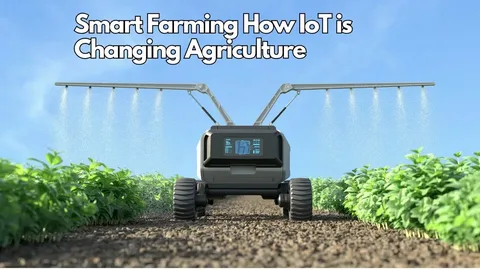
Agriculture has always been the backbone of human civilization, sustaining communities and economies around the world. However, the methods and tools used in farming have evolved dramatically over time. Today, we are witnessing a significant transformation from traditional to smart agriculture: a technological shift that is redefining the way we produce food.
Understanding Traditional Agriculture
Traditional agriculture relies heavily on manual labor, basic tools, and age-old practices passed down through generations. Farmers typically depend on seasonal patterns, soil knowledge, and natural indicators to grow crops. While these methods have been effective for centuries, they are often limited by low efficiency, unpredictable weather conditions, and pest-related challenges.
Key characteristics of traditional agriculture include:
- Dependence on human labor and simple tools
- Minimal use of technology
- Limited data-driven decision-making
- Vulnerability to climate variability
The Rise of Smart Agriculture
The modern era has brought cutting-edge technology to the forefront of farming practices. Smart agriculture integrates digital tools, sensors, and data analytics to optimize crop production and resource management. This shift allows farmers to make precise, real-time decisions that enhance productivity while reducing waste.
Some key technologies in smart agriculture include:
- IoT sensors for soil moisture, nutrient levels, and crop health
- Drones for aerial monitoring and precision spraying
- AI and machine learning for predictive analytics and yield forecasting
- Automated machinery for planting, harvesting, and irrigation
Benefits of the Technological Shift
The move from traditional to smart agriculture: a technological shift brings numerous benefits, including:
- Increased crop yield and efficiency
- Reduced water and fertilizer usage
- Early detection of pests and diseases
- Lower environmental impact
By leveraging data-driven insights, farmers can anticipate challenges before they arise and respond proactively, which was nearly impossible in traditional systems.
Challenges and Considerations
Despite the advantages, the transition to smart agriculture is not without its hurdles. High initial investment costs, lack of digital literacy among farmers, and limited access to infrastructure can slow adoption. Governments and private organizations are now focusing on creating support systems to facilitate this shift.
Conclusion
The journey from traditional to smart agriculture: a technological shift represents a paradigm change in how we grow our food. By embracing technology, farmers can ensure sustainability, efficiency, and resilience against environmental challenges. The future of agriculture lies in smart, data-driven practices that honor traditional wisdom while leveraging modern innovation.
