


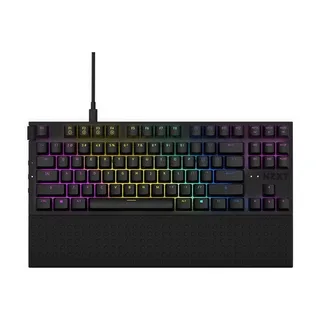
When it comes to the world of design, precision, efficiency, and comfort are key. Whether you’re designing a logo, creating digital artwork, or coding for a website, the tools you use can significantly impact your workflow. Among these tools, the keyboard is often overlooked, yet it plays a crucial role in the overall design process. Full-size keyboards, in particular, are gaining traction among designers. But why does the size of the keyboard matter, and how can customization improve your design experience?
Understanding Full-Size Keyboards
A full size keyboard typically refers to a keyboard that includes all standard keys: alphanumeric keys, function keys, a number pad, and arrow keys. This is in contrast to smaller, more compact layouts such as tenkeyless (TKL) or 60% keyboards. Full-size keyboards are often favored for their comprehensive layout, offering all the keys that might be needed for a variety of tasks, from typing documents to designing intricate graphics.
For designers, a full-size keyboard’s layout offers both practical and ergonomic advantages. The inclusion of a number pad, for instance, can be particularly beneficial when working with numerical data in programs like Adobe Illustrator or AutoCAD. The extra keys also allow for more shortcuts, which can streamline workflows and boost productivity.
Why Size Matters for Designers
1. Ergonomics and Comfort
Designers often spend long hours in front of their computers, and ergonomics can have a significant impact on comfort and health. A full-size keyboard provides a more natural typing position, as the keys are spread out across a larger surface, reducing the need for awkward hand movements. This can prevent strain on the wrists and fingers, which is essential for those who are frequently using the keyboard for both design work and general tasks.
Additionally, the size of a full keyboard can allow for a more customizable typing experience. Many high-quality full-size keyboards come with adjustable feet, allowing designers to position the keyboard in a way that minimizes strain and maximizes comfort during extended sessions.
2. Increased Productivity
A full-size keyboard provides more keys that can be mapped to specific shortcuts, macros, or functions, which can greatly increase a designer’s productivity. In design software like Adobe Photoshop or Illustrator, having dedicated keys for common tasks such as copy-pasting, zooming, or switching tools can save time. With a compact keyboard, designers may need to use multiple key combinations to achieve the same result, which can be slower and less efficient.
Moreover, a full-size keyboard with a number pad can be helpful for designers working with numeric input frequently, such as those involved in 3D modeling, architectural design, or digital animation.
Customization: Making the Keyboard Work for You
1. Programmable Keys and Shortcuts
One of the main appeals of full-size keyboards is their level of customization. Many modern full-size keyboards offer programmable keys, allowing designers to map custom shortcuts that cater to their unique workflow. This means that you can assign actions like “Undo,” “Redo,” or even complex sequences of actions to specific keys, helping you save time and streamline your process.
For example, a designer working in Photoshop could program the function keys to activate specific brushes, switch between tools, or perform a set of editing commands, all without lifting their fingers from the keyboard. This level of customization can significantly improve the speed and flow of a project, allowing designers to focus more on creativity and less on manual tasks.
2. Switching Between Key Layouts
For designers who work with different design software or tools, switching between key layouts and shortcuts can be cumbersome if you don’t have a customizable keyboard. Full-size keyboards allow for easy configuration of different layouts and macros, letting designers quickly adapt to the software they are using. Whether you’re jumping from Adobe Photoshop to Blender or coding in HTML, a customizable keyboard can ensure that the most frequently used commands are always within reach.
Choosing the Right Full-Size Keyboard for Designers
Not all full-size keyboards are created equal, and for designers, the right choice can make all the difference. When choosing a full-size keyboard, it’s important to look for features such as:
- Mechanical switches: These provide a satisfying tactile feedback and can help reduce typing fatigue over long hours.
- Backlighting: Customizable RGB lighting can enhance the design aesthetic of your workspace and help you locate keys in low-light environments.
- Wireless functionality: If you prefer a clean and clutter-free workspace, wireless full-size keyboards offer the freedom of movement without sacrificing performance.
- Build quality: A well-built keyboard will ensure durability, making it a worthwhile investment for heavy usage.
Conclusion: The Power of Full-Size Keyboards for Designers
When it comes to designing, the tools you use can influence your workflow and productivity. Full-size keyboards offer a spacious layout that includes all the keys you need for efficient design work, along with the added benefit of customization. From ergonomic comfort to programmable keys, a full-size keyboard can help streamline your process, reduce strain, and improve productivity.
