


Cremation is an option many families consider when making final arrangements for someone who has died. While the basic idea may seem simple, the process includes several steps that take place before and after the actual cremation. Knowing what happens at each stage can help families feel more prepared and understand what to expect from a crematory.
Complete the Initial Arrangements
The process starts with arrangements and required documentation. Depending on local rules, the family or authorized person may need to provide information about the person who died, complete authorization forms, and handle permits or other required paperwork. These requirements should be addressed before cremation can take place.
Families may also decide whether they want a memorial service, a viewing, a gathering before cremation, or a private arrangement. Some people choose direct cremation without a formal service, while others plan a ceremony before or after the cremation. Discussing these choices early can help families organize the arrangements according to their wishes.
Prepare the Person for Cremation
Preparation takes place after the necessary arrangements have been completed. The person is identified according to the provider’s procedures, and records are maintained throughout the process. Proper identification is especially important because it helps maintain accurate tracking from the time the person is received through the return of the cremated remains.
Certain personal belongings may also need to be removed before cremation. Some medical devices, jewelry, or other materials may not be suitable for the cremation chamber. Families should ask about these items beforehand so they know what can remain with the person and what needs to be handled separately.
Carry Out the Cremation
The actual cremation takes place inside a specially designed chamber that uses intense heat to reduce the body. The length of the process can vary based on several factors, including the equipment used and the physical characteristics of the person. Trained staff follow established procedures while the cremation takes place.
The process reduces the body to bone fragments rather than producing the fine material commonly called ashes immediately. Once the cremation is finished, the remaining material needs to cool before it can be prepared for the family. Each crematory may have its own procedures for managing the process, so families can ask questions about what takes place at the facility.
Process the Remaining Material
After cooling, the bone fragments are collected and processed into a finer material. This is what families commonly receive as cremated remains. The processing helps create a more consistent appearance and allows the remains to be placed into an urn or another suitable container.
Identification procedures continue during this stage to help ensure the remains are properly matched with the correct individual. Families may receive the remains in a temporary container if they have not yet selected an urn. They can then decide whether they want to transfer the remains into a permanent container later.
Decide on a Memorial Option
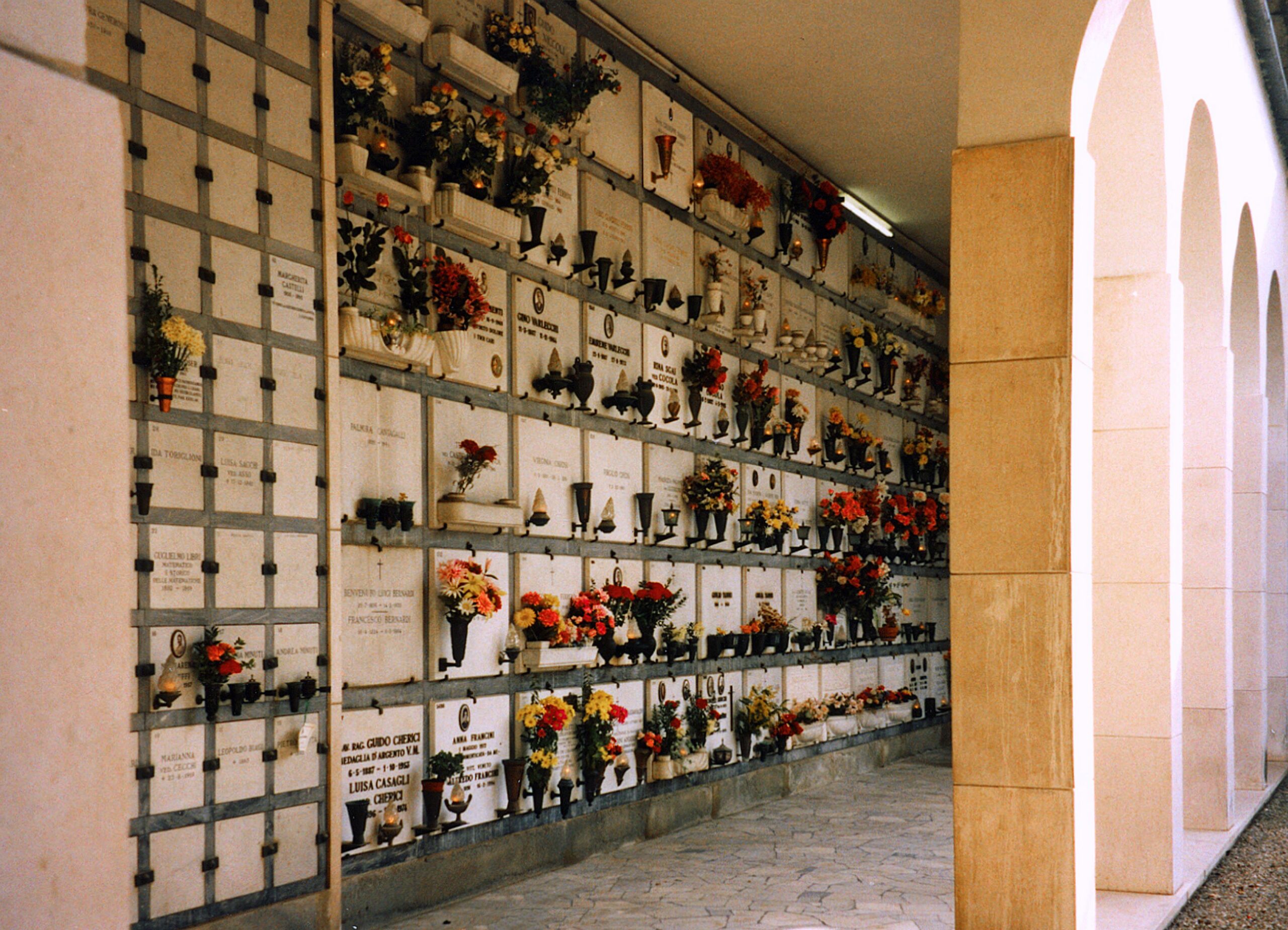
There are many ways to remember someone after cremation. Some families keep the urn at home, while others choose a cemetery, columbarium, memorial garden, or another permitted location. Depending on local rules and family preferences, cremated remains may also be placed in a meaningful location through an appropriate memorial arrangement.
A memorial does not have to take place immediately. Some families hold a gathering soon after the death, while others wait until relatives and friends can be together. Taking time to consider personal traditions, family wishes, location, and the type of remembrance desired can help make the decision feel more personal.
Ask About Timing and Procedures
The time required for cremation and the return of the remains can differ from one situation to another. Paperwork, transportation, scheduling, local requirements, and the provider’s procedures can all affect the timeline. Families should ask when the cremation is expected to take place and when the remains are likely to be available.
It can also help to ask about identification, personal belongings, containers, paperwork, and the steps used to keep the remains properly identified. These questions may feel difficult to raise during an emotional period, but clear answers can make an unfamiliar process easier to manage.
Make Thoughtful Cremation Arrangements
Understanding the cremation process can give families a clearer idea of what happens from the first arrangements through the return of the cremated remains. Documentation, identification, preparation, cremation, processing, and memorial planning each have a place in the overall process. Learning about these steps can also help families know which questions to ask when making arrangements.
A crematory should be able to explain its procedures in straightforward terms and provide information about the arrangements that apply to each situation. Families can then consider their own needs, traditions, and preferences when deciding what happens next. Taking the time to understand the process can make an unfamiliar experience easier to navigate
