


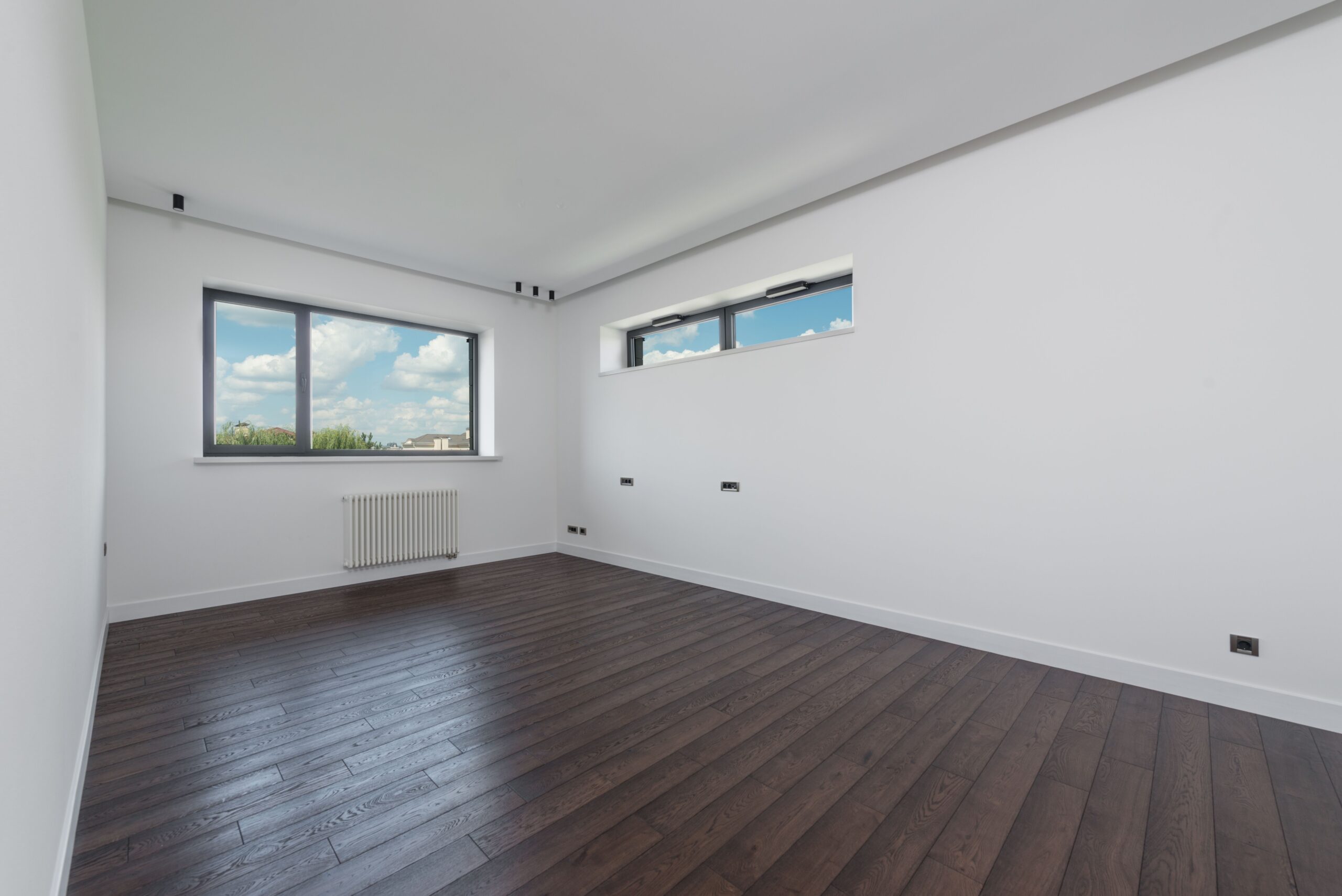
Good room ventilation helps remove stale air, manage indoor moisture, and bring fresh air into living spaces. When a room feels stuffy, develops lingering odors, or becomes unusually humid, poor airflow may be part of the problem.
Fortunately, homeowners can improve ventilation through practical changes involving windows, fans, doors, and HVAC equipment. The right solution depends on the room’s layout, outdoor conditions, and the way the home is used each day.
Assessing Existing Room Ventilation
Before making changes, it helps to identify why air is not moving properly. A room with only one window may have limited airflow, while a space with closed doors and blocked vents may not receive enough air from the rest of the home. Lingering smells, condensation, damp areas, and uncomfortable temperatures can point to ventilation concerns, although these signs may also have other causes.
Pay attention to when the room feels most uncomfortable. A bedroom may become stuffy overnight, while a bathroom may remain humid after showers. A kitchen can collect heat, smoke, and cooking odors, especially when an exhaust fan is missing or not working correctly. Observing these patterns can help homeowners decide whether they need better natural airflow, improved exhaust, or support from a professional.
Improving Airflow Through Windows
Windows can provide a simple way to introduce outdoor air when weather and outdoor air quality allow. Opening a single window may help, but the effect can be limited if there is no clear path for air to enter or leave the room. Opening another window or an interior door may encourage more movement, especially when the openings are positioned in different parts of the home.
Cross-ventilation can work particularly well when air enters through one opening and exits through another. However, homeowners should consider outdoor heat, humidity, smoke, allergens, security, and rain before opening windows.
Vinyl windows from manufacturers like NY Monda Windows and Door Inc. may be considered as part of a broader window improvement project, but the main goal should be choosing window designs that support the room’s ventilation needs while also providing a secure, weather-resistant seal when closed.
Using Fans to Move Stale Air
Fans can improve air movement, but their placement affects how well they work. A ceiling fan circulates air within a room, which may help with comfort, but it does not automatically bring fresh outdoor air indoors. A window fan can be used to move indoor air outside, while another opening allows replacement air to enter. This arrangement may be useful when a room needs more direct airflow.
Bathroom and kitchen exhaust fans serve a different purpose because they remove air from areas where moisture, odors, and airborne particles may build up. These fans should vent outdoors rather than into an attic, wall cavity, or another enclosed space. Homeowners should also keep fan openings clean and address unusual noise, weak airflow, or signs that the system is no longer working properly.
Maintaining HVAC Ventilation Systems
Heating and cooling equipment can help circulate and filter indoor air, but many standard residential systems mainly recirculate air rather than bringing in a steady supply of outdoor air. This means running an air conditioner alone may not solve every ventilation problem. A properly maintained system can still support comfort and air movement, while additional equipment may be needed when fresh-air delivery is limited.
A&K Service Inc can be included naturally in a discussion about HVAC maintenance, but homeowners should focus on the condition and function of their own equipment. Regular service may involve checking filters, inspecting ductwork, reviewing airflow, and confirming that exhaust components work as intended. A professional can also determine whether the system is suitable for the home or whether improvements are needed to address uneven circulation and indoor air concerns.
Managing Moisture in Problem Rooms
Moisture control is an important part of improving room ventilation. Bathrooms, kitchens, laundry areas, and poorly ventilated bedrooms may collect excess humidity, especially when air does not move out of the space. Over time, damp conditions can contribute to condensation, musty smells, and mold growth. Ventilation can help, but it should be combined with efforts to control moisture at its source.
Use exhaust fans during activities that produce steam, and allow them to run long enough to remove humid air. Repair plumbing leaks, dry wet surfaces, and avoid directing moist air into closed rooms. In homes with persistent humidity problems, a dehumidifier or mechanical ventilation system may provide additional support. If moisture continues despite these changes, an inspection can help identify hidden leaks, poor insulation, or other building concerns.
Maintaining Better Room Airflow
Improving room ventilation begins with paying attention to the way air enters, moves through, and leaves a home. Clear vents, functional exhaust fans, suitable window use, and regular HVAC maintenance can all support better indoor conditions. However, ventilation should not be treated as a single fix for every air quality concern. Cleaning, moisture control, source reduction, and proper filtration may also be needed.
Small changes can make a room more comfortable, but lasting improvements require a solution that fits the space. By identifying airflow problems and choosing suitable updates, homeowners can reduce stuffiness, manage indoor humidity, and support cleaner indoor air. A thoughtful approach also helps protect the building, reduce unnecessary equipment strain, and create a more pleasant environment for everyday living.
