


Moving to a new city changes more than an address. It disrupts the small, familiar rhythms that make a place feel like home, from the coffee shop where everyone knows your order to the friend who calls just to check in.
That kind of adjustment takes time, and it often catches people off guard because the practical parts of a move, like unpacking boxes or updating a driver’s license, tend to get all the attention. The emotional side, the part where you actually start to feel settled and known, usually needs more deliberate attention.
This article looks at some of the different ways people rebuild a sense of belonging after a move, along with where those opportunities tend to show up in a new community.
The Emotional Reality of Starting Over
Relocation research consistently points to a period of disorientation that follows even a well-planned move. People often describe feeling unfamiliar with their own surroundings for weeks or months, unsure of where things are or who to call in an emergency.
This feeling is a normal response to losing familiar social cues, not a sign that something has gone wrong. Recognizing this stage as temporary can make it easier to be patient with the slower process of forming new connections.
Establishing New Daily Routines
A predictable routine gives a new city some shape early on. Knowing which grocery store carries the right ingredients or which route avoids the worst traffic creates a sense of familiarity that builds gradually. These small, repeated interactions with a place matter because they lead to recognizing the same people over time.
A barista or a mail carrier can become a small but steady point of connection long before deeper friendships form.
Local Recreational and Hobby Groups
Many cities host recurring meetups organized around specific interests, from hiking clubs to book discussion groups. These gatherings tend to work well for newcomers because the shared activity removes some of the pressure of introducing yourself with no context.
Parks and recreation departments, community bulletin boards, local meetup platforms, and neighborhood social apps are common places to find these groups listed. People who join tend to find that repeated attendance, rather than a single visit, is what turns acquaintances into friends.
Neighborhood and Community Associations
Neighborhood associations exist in many residential areas to organize local events and represent resident interests to city officials. These groups often host seasonal gatherings or informal social nights that are open to anyone living nearby.
Attending a meeting or event gives newcomers a direct view of who lives around them and what concerns matter locally. Information about these associations is typically available through a city’s website or posted at community centers and local libraries.
Online Christian Communities
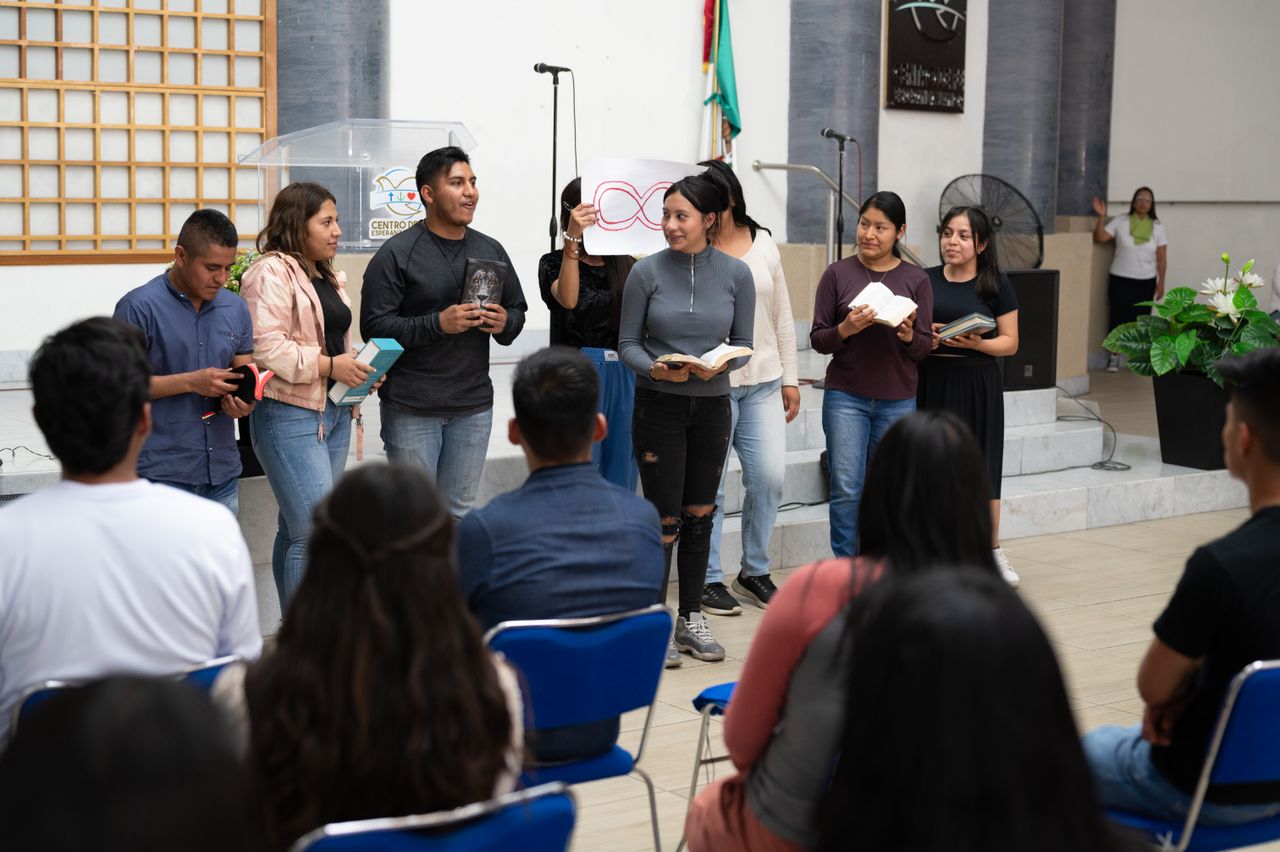
For people of faith, an online Christian community, like in ChrisTho, can offer a form of fellowship that does not depend on already knowing where the nearest church is located.
These digital groups, which range from denomination-specific forums to broader interfaith prayer networks, allow newcomers to stay connected to scripture study and prayer while they search for a physical congregation. Many people find comfort in having this kind of spiritual continuity available immediately after a move, rather than waiting weeks to visit different churches in person.
These communities can be found through church-affiliated apps and social media groups dedicated to faith-based discussion and support.
Volunteering With Local Organizations
Volunteering places people in a shared context with others who care about similar causes, which can make initial conversations feel more natural.
Food banks and animal shelters regularly seek help and welcome people who are new to the area. The structure of a volunteer shift, with a clear task and a set time, tends to lower the social pressure that can come with more open-ended social events. Local nonprofits and volunteer matching websites are usually the easiest starting point for finding these opportunities.
Workplace Connections Beyond the Office
A new job often becomes one of the first steady sources of social contact after a move. Coworkers share physical proximity and daily routine, which naturally creates opportunities for casual conversation to develop into something more.
Company-sponsored events and employee resource groups both provide low-pressure settings for these relationships to grow. Human resources departments or internal messaging platforms are often where information about these optional gatherings gets shared.
Staying Connected to Existing Relationships
While building new relationships matters, maintaining ties to friends and family from a previous city can ease the transition considerably. Regular video calls or messages help preserve those relationships during the adjustment period, giving a person emotional continuity even as their surroundings change completely. Some newcomers find it helpful to schedule these check-ins at consistent times, which keeps the relationship from fading due to distraction with new responsibilities.
Existing relationships and new ones do not have to compete, since both play separate but valuable roles.
Public Libraries and Community Centers
Public libraries frequently offer far more than book lending, including classes and discussion groups designed to draw in local residents.
Community centers serve a similar function, often hosting fitness classes and adult education courses that are open to the public. These spaces work well for newcomers because attendance requires little commitment and no prior relationship with anyone in the room. City and county government websites typically list current programming for both libraries and community centers.
Cultural Classes and Skill-Based Groups
Cooking classes, language exchanges, art workshops, and pottery studios give people a reason to show up regularly and interact with others who share a specific interest. These settings tend to be less intimidating than purely social events because attention is partly focused on the activity rather than on conversation alone.
Community colleges and cultural centers frequently offer this kind of programming throughout the year. Repeated attendance in the same class often leads to recognizing the same faces, which can gradually turn into genuine friendship.
Recognizing When Additional Support Helps
Some people find that the adjustment period after a move brings up feelings of isolation that do not resolve on their own, even with new social activities in place.
In these cases, speaking with a licensed therapist or counselor can provide additional tools for managing that transition. Many therapists now offer virtual sessions, which can be useful for someone who has not yet found a local provider.
Community mental health centers and employee assistance programs are two common starting points for finding this kind of professional support.
Adjusting to a new city rarely happens all at once. It tends to unfold through a combination of small routines and deliberate efforts to show up in new spaces, like a volunteer shift, a library class, or an online faith community.
Every person’s timeline looks different, and there is no single approach that works for everyone. What matters most is staying open to the variety of ways connection can form, since belonging in a new place is usually built gradually rather than all at once.
